What is tikanga?
Tikanga is a key concept in te ao Māori (the Māori world). It refers to the customs, values, and protocols of doing things in Māori culture.
Kupu Hou - Terminology
| Manuhiri | Visitor, guest |
| Marae | The courtyard of a Māori meeting house |
| Karakia | Prayer, chant |
| Pōwhiri | It is the process of welcoming manuhiri onto the marae and acknowledges the mana of the people, place, and event. |
| Waharoa | Gateway, main entranceway |
| Waiata | Song, chant, to sing |
| Karanga | To call, summon, ceremonial call of welcome |
| Whaikōrero | To make a formal speech. |
| Kōhatu | Stone, rock |
Pōwhiri Tikanga
All you need to know on the day as manuhiri
- Assembly – arrive early and assemble at the waharoa (Muriwai Drive) waiting until you hear the call of karanga.
- Wāhine walk at the front – A woman usually leads the group because of her connection to te whare tangata (the house of humanity). This symbolises life, protection, and the continuation of people.
- Remove shoes before entering the wharenui – Shoes are taken off before entering the meeting house as a sign of respect for the sacred space.
- Sit where directed – usually speakers, kaumatua and tane sit at the front, and others behind them.
- Whaikōrero - Speakers from both sides will speak in turn.
- Waiata – After each speech, a supporting waiata is sung.
Tē Mānuka Tūtahi
Te Mānuka Tūtahi Marae stands in the heart of Whakatāne as a place of connection, culture, and community for Ngāti Awa and the wider region. Guided by tikanga and the values of manaakitanga and whanaungatanga, the marae brings people together for important gatherings, ceremonies, and shared moments. It is a space where traditions are honoured, stories are shared, and the spirit of Ngāti Awa continues to thrive.
Graduation Tikanga
Whatukura - A Stone of Knowledge
In 2011, the use of a 'graduation stone' was introduced as a feature of the Graduation Ceremony. The Kōhatu comes from Pūtauaki Maunga, the sacred and symbolic Maunga Tipuna of Ngāti Awa whānui. It is unveiled and blessed through appropriate karakia (incantations) at the commencement of the Graduation Ceremony. Every graduating student must touch the stone before meeting the graduating officer of Council. The idea of using a special stone this way comes from the recorded practices of the traditional whare wānanga as described by S Percy Smith in 'The Lore of the Whare Wānanga'. Students attending the Whare Wānanga sat on stone stools and on completing their courses of instruction, after the seventh session, they were required to swallow a small whitish stone called a Whatukura (a stone of knowledge). Sometimes the stone was of a reddish colour. We are not proposing that graduating students today should swallow the stone of knowledge or it might be called a memory stone. Rather, we have taken the safer pathway of touching the stone of knowledge.
It should also be noted that the karakia whakapumau is an essential part of graduation. All graduands are required to wait for that final karakia at the conclusion of the graduation ceremony as part of the qualification conferment process in accordance with the tikanga of Te Whare Wānanga o Awanuiārangi.
Waiata
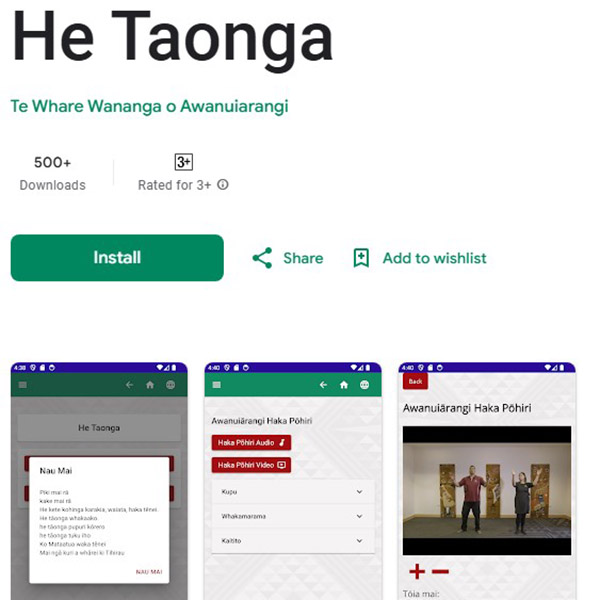
A selection of waiata are available via the 'He Taonga' app available on some phone app stores such as Apple.