Maromahue Marae Strengthens Succession for Future Generations
Maromahue Marae Strengthens Succession for Future Generations
Through its Te Pou Hono programmes, Te Whare Wānanga o Awanuiārangi supports the delivery of noho, wānanga and assessments grounded in traditional Māori learning principles, working alongside hapū and marae who are strengthening their cultural foundations and succession pathways for future generations.
The hapū of Maromahue Marae, Ngāi Tamatea and Ūpokorehe are progressing a deliberate succession strategy focused on strengthening cultural practice and sustaining the mana and mauri of their marae.
Hapū member and Te Pou Hono marae coordinator, Chanelle Waihirere says the commitment brought her whānau closer to their hapū in ways they hadn’t anticipated.
“Initially, my husband Hori was voluntold into a Te Pou Hono kaiako role by our uncle, and out of duty to his call, we committed as a whānau to show up, not fully realising how significant the impact would be for us all.
“Our girls now have a strong, grounded sense of belonging to their marae and hapū. That connection has been so powerful, and we are now establishing a papakāinga just down the road from the marae for our tamariki and future mokopuna.”
Pakeke and kaikaranga- Whaea Aroha Shaw highlights the urgency that surrounds succession.
“I instantly reflect on the days when I was lucky enough to return to my tūrangawaewae, Maromahue, when many of our kuia and koroua were still alive. They kept the practices, tikanga, kawa, reo of the old days alive and well on the marae.
“Our last tūturu kuia kaikaranga passed away in 1990, leaving a big gap for us to fill. If tikanga is left to wane and die out, then what do we have left? Buildings with no wairua? It’s our responsibility to keep our ahi kaa alive whether it be in the kihini or on the marae.”
Marewa Titoko, hapū member and Te Pou Hono facilitator, reflects on the scarcity of skilled kaikaranga and highlights the potential for this leadership within hapū.
“The art of karanga, and confident practitioners of this craft are scarce; our hapū were experiencing he pae mimiti, a thinning bench of practitioners. But leaders can be found wearing different shoes. Many don’t realise they carry leadership attributes.
“Don’t be ashamed of what you don’t know. You might be surprised at how much knowledge exists collectively within your hapū. Create the forum and the opportunity for someone to share”
In considering succession pathways, the hapū had to examine how their tikanga could adapt. Chanelle explains, “Our facilitators created a safe space for our hapū to think deeply about the current state of our marae.
“We explored the concept of ‘barren’ and what it meant for us, coming to understand that in some ways our marae was in a state of barrenness — not of spirit, but of succession.
“This led us to consider whether our tikanga needed to adapt to our present circumstances”
There is now certainty for succession planning at their marae, and while Te Pou Hono provides structure, the transformation itself has been hapū-driven.
“We can now see a clear pathway for our generation and the next. Including our rangatahi in this process sets them up for success and strengthens their sense of belonging and responsibility.
“We have committed to enrolling in two further Te Pou Hono programmes in 2026, to keep growing our knowledge, understanding, and connection as a whānau and hapū.”
Seeing rangatahi practising and stepping into roles on the marae lightens the load for Whaea Aroha.
“I love it because I can see the succession beginning, new ones stepping up and taking on the roles while we, the pakeke, are still here to support them.
“It’s so good to know there is someone beside me learning and preparing to take over. It lightens my shoulders and makes me smile even wider.”
The hapū are excited about the unveiling of their new Waharoa, named Rangiparoro. For Marewa, this signals reclamation.
“It acknowledges reclaiming our understanding of the relationship to our whenua, our pā and reclaiming our responsibility and obligations as mana whenua and ahi kā.
“It’s a statement that the hapū are flourishing.”
Chanelle says, “Its a physical and symbolic reminder that while we honour those who came before us, we also actively prepare the way forward for those still to come.”
Whaea Aroha adds, “The Waharoa honours our tipuna Rangiparoro, whose harrowing journey inland while carrying her baby came to symbolise resilience, fortitude and strength.
“Those same qualities were embodied by our whānau when our tipuna trekked from Ngāti Kahungunu to Waiōtahe. Despite significant loss at Waikaremoana, they forged ahead together, united in purpose, steadfast in their resolve. They stood in defiance alongside their kuia at the pou haki, breathing life into this whenua and laying the foundations of the marae we cherish today.”
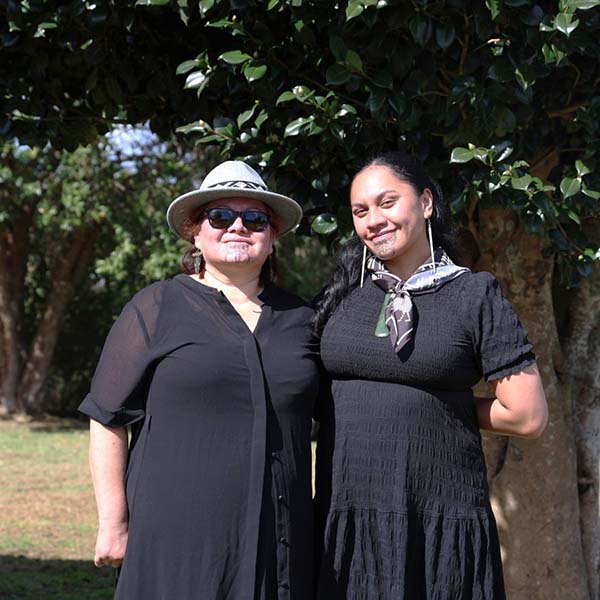
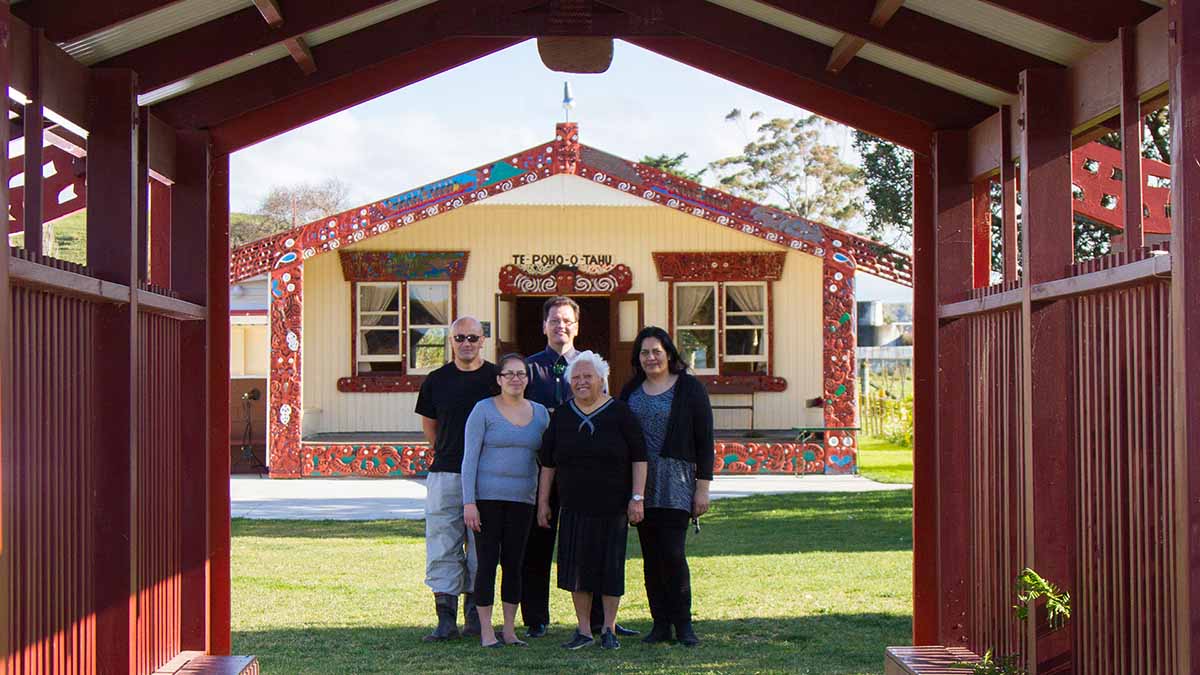
Chanelle Waihirere with her daughter Djahni.
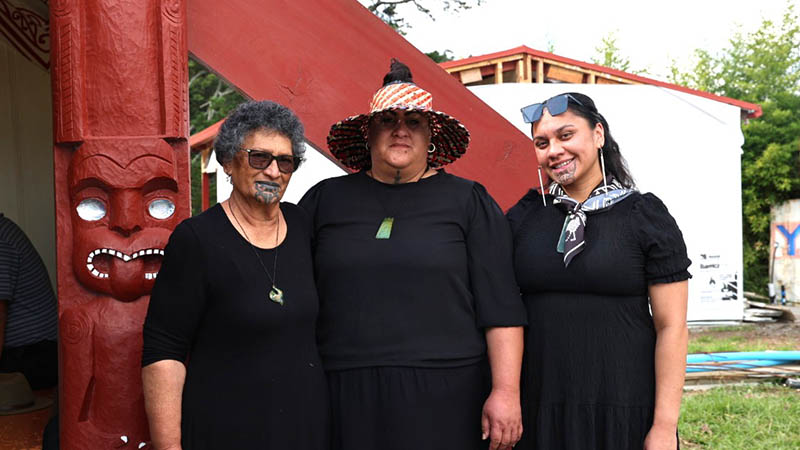
Djahni and Acya are learning the role of kaikaranga alongside pakeke kaikaranga Keita Hudson.
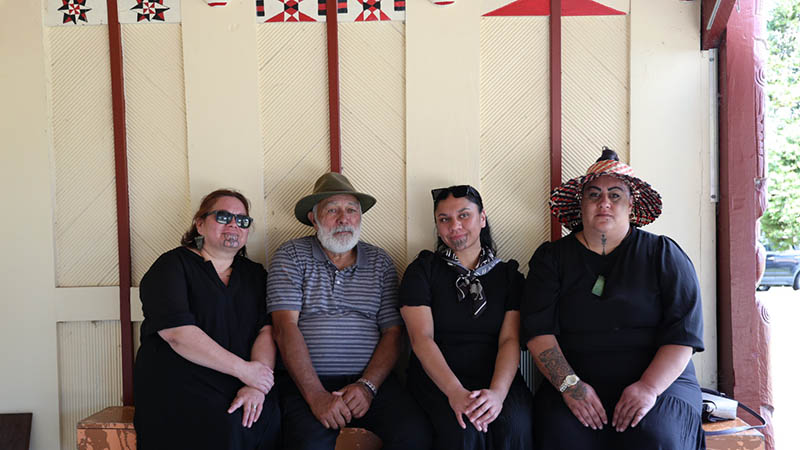
Respected pakeke, Wiki Mooney 'voluntold' Chanelle's husband into a Te Pou Hono kaiako role.
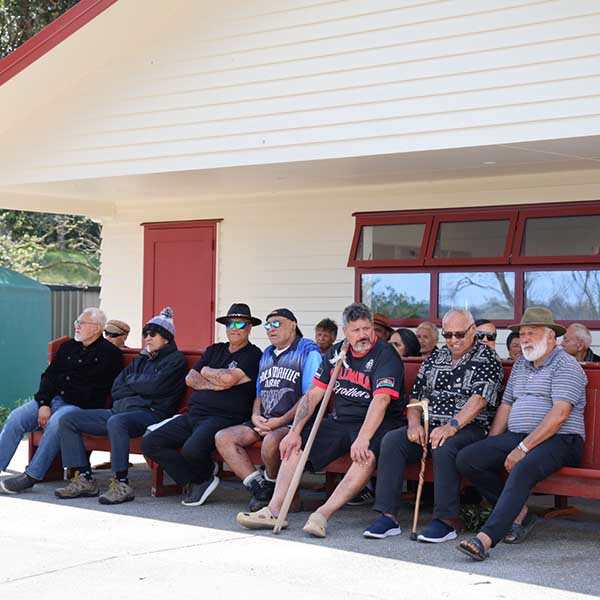
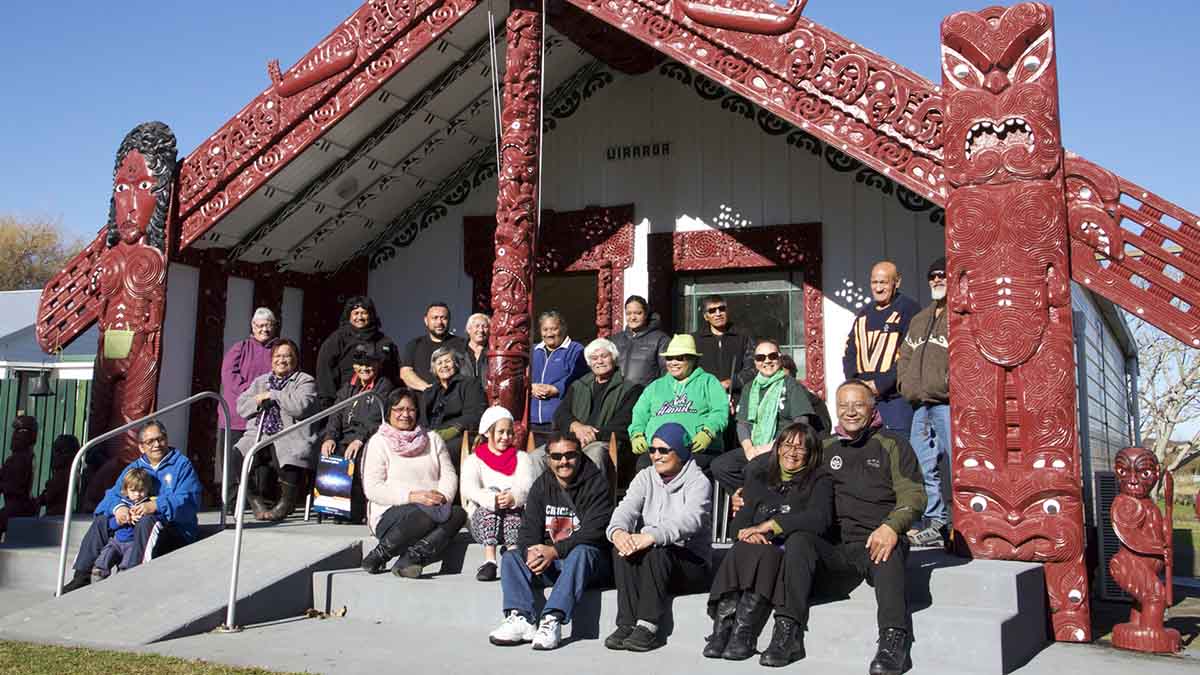
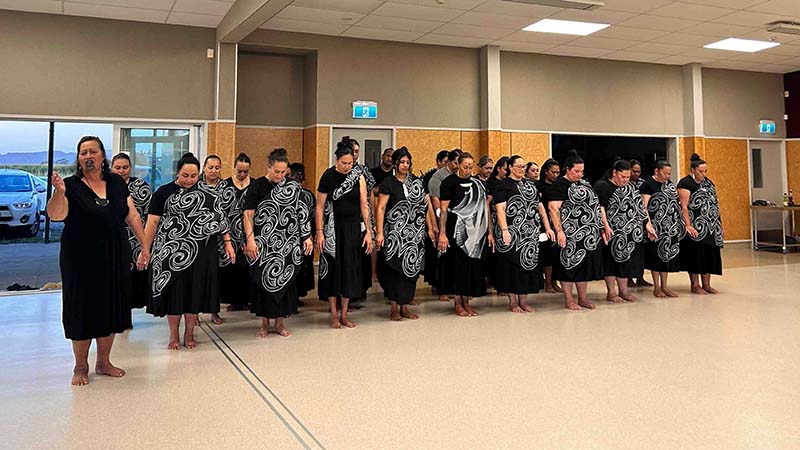
Pakeke of Maromahue Marae are actively strengthening their cultural foundations and succession pathways.
Learn more about our Te Pou Hono programmes
Te Pou Hono
School of Iwi Development
Whakapā mai/Contact us
For enquiries related to our programmes, please contact Makarena Hotene. For media enquiries, please contact Hope Rolleston.
Makarena Hotene
- Phone: 07 306 3213 or 027 257 9264
- Email: makarena.hotene@wananga.ac.nz
Hope Rolleston
- Phone: 027 236 6316
- Email: hope.rolleston@wananga.ac.nz
Related News
Mihingare Studies at Awanuiārangi Explore Faith, Culture, and History
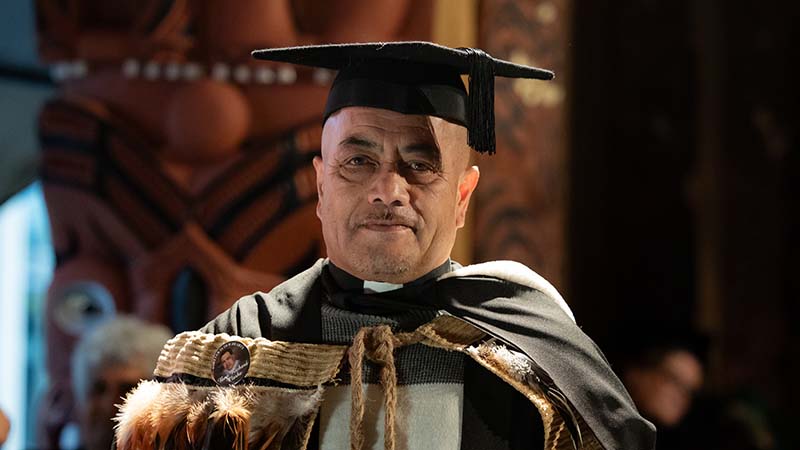
Published date : Mon, 30 March 2026 11:52 amMihingare (Anglican) Studies within the Bachelor of Humanities, provides tauira with opportunities to explore the historical, cultural and community dimensions of Mihingare in Aotearoa.
Te Tini o Awa sisters prepare for Mataatua Regionals 2026
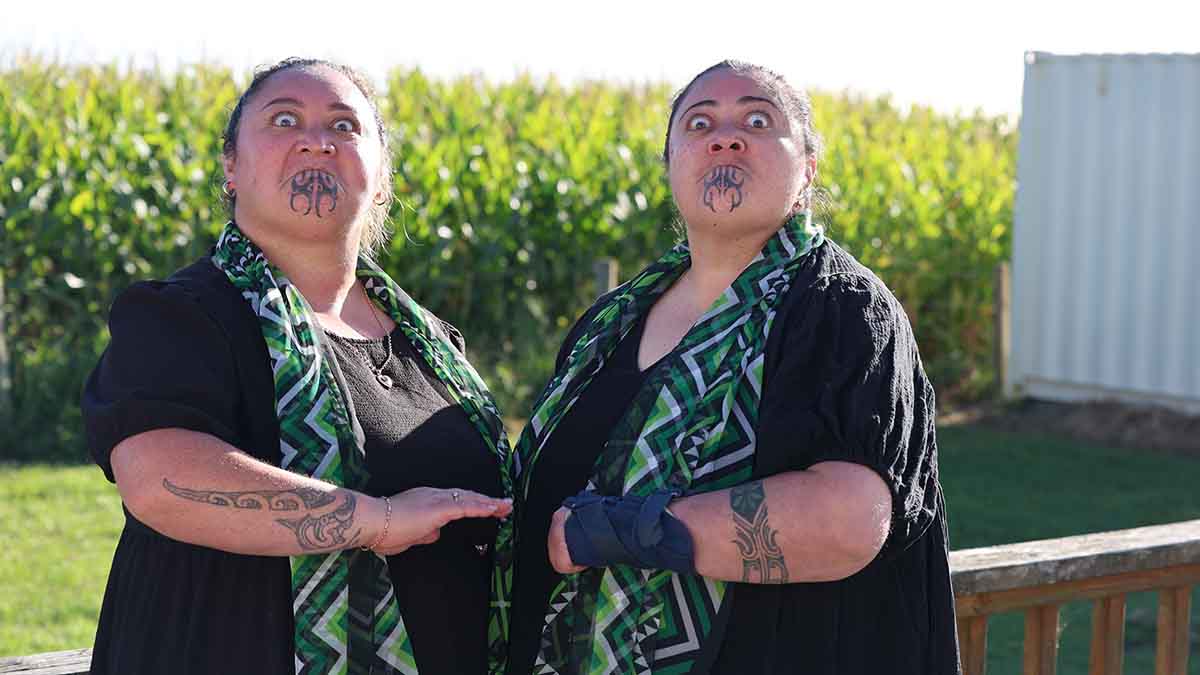
Published date : Thu, 26 February 2026 06:28 amSisters, Te Whakapakari (Puks) Hale and Marewa Filipo, together with fellow tutors Te Haupaeroa and Marihi Hona, Rewiti Elliot, and Naomi Herewini-Houia, have been preparing Te Tini o Awa for the Mataatua regional kapa haka competition.
Ngā Uri o Awanuiārangi Kapa Haka Prepare for Regionals
Published date : Mon, 23 February 2026 02:16 pmEmbodying the enduring connection between the three Ngāti Awa whare: Te Whare Wānanga o Awanuiārangi, Te Rūnanga o Ngāti Awa and Ngāti Awa Social and Health Services.

New Māori AI Research Scholarship Launched by Awanuiārangi
Published date : Thu, 19 February 2026 03:27 pmAwanuiārangi has launched a $30,000 scholarship to grow Māori leadership in artificial intelligence, supporting culturally grounded, critical AI research.